A Guide to Native Georgia Plants for hillside erosion control
Most of the slope calls I get start the same way. Somebody planted a hill; it looked good for a season, and then a couple of hard summer storms put half of it in the driveway. In my experience, the plants are rarely the problem. The water is.
I hold a GSWCC erosion control certification, and much of my work goes into the part of a hillside nobody looks at: how water moves across it. So before you and I talk about what to plant, let's talk about what those plants are up against.
Fix the water first
Georgia red clay sheds water like a tin roof. If your downspouts dump onto the top of a slope, or the neighbor's yard drains across yours, I don't know of a groundcover that will hold that bank. Water finds the weakest spot and cuts a gully right through whatever you planted.
When I walk a washing slope, I'm asking a few questions. Is water coming onto it from above that we can catch and pipe somewhere else? Is the ground shaped so water sheets off evenly, or is it funneling into one channel? And where it's going to funnel no matter what we do, how do we give it a path that won't tear the hill apart?
Silt fence has its place. It holds soil while new plants get rooted, and it's often required on a construction site. But it's temporary, and nobody wants it staked across their backyard for three years. Honestly, it's ugly.
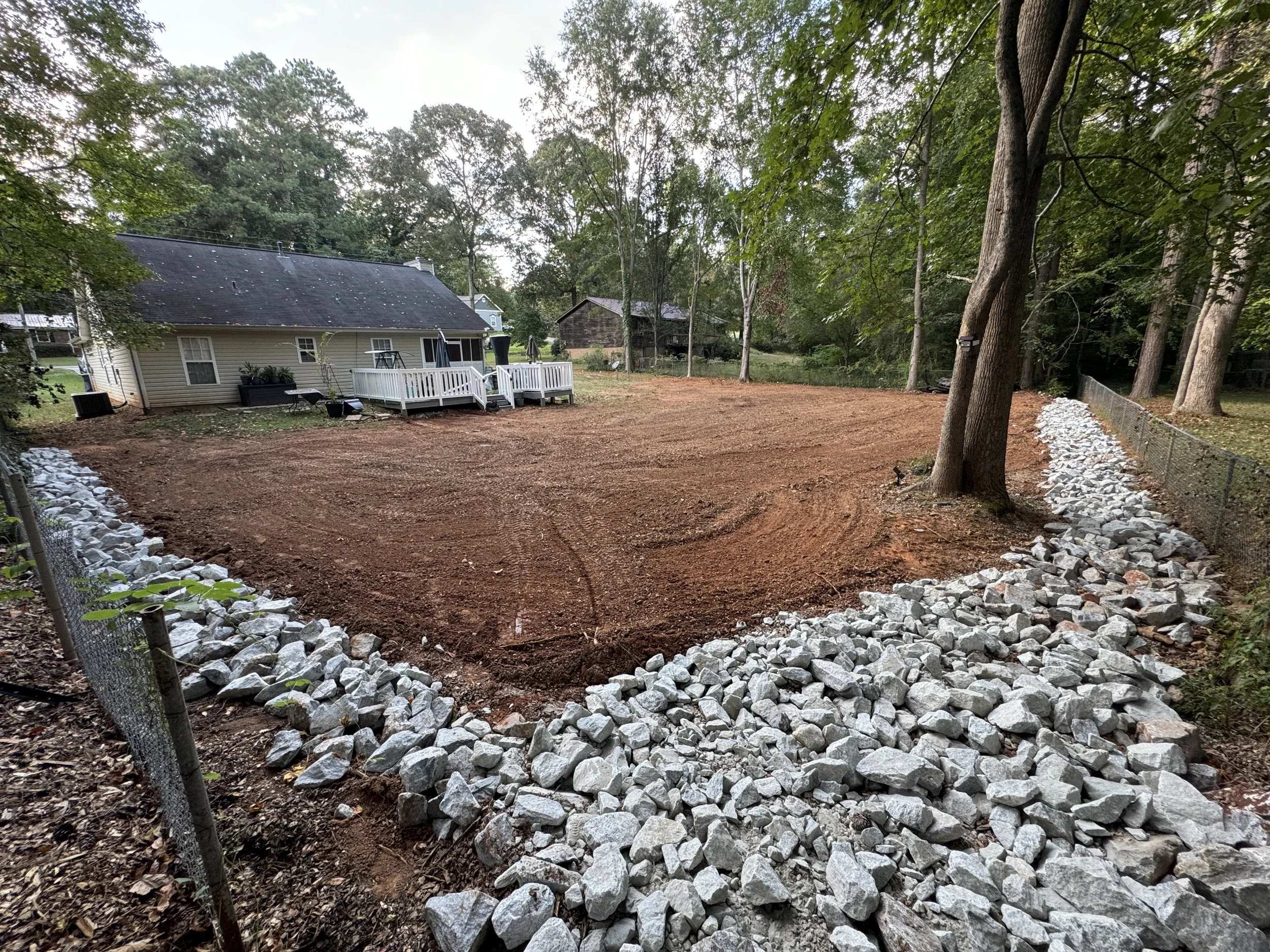
Building Drainage Beds
Where water wants to run, I'd rather build it a drainage or dry creek bed. We shape a channel down the slope's natural low line, line it with fabric, and armor it with river rock and boulders sized to handle the flow. Most of the year it looks like a landscape feature. When one of our spring or summer gully-washers hits, it carries the water down the hill and keeps it off the plantings, so the groundcover never has to fight a flood it can't win. Plant sedges and ferns along the edges and it looks like it's always been there.
Get those answers right, and the plants have a real shot. Skip them, and you'll likely replant every spring, which gets expensive over time.
Why native plants are worth the wait
Plants that evolved here already know our clay and our August dry spells. Once they settle in, most of them need very little water or fertilizer, and many grow dense, fibrous roots that knit the soil together. Turf grass roots stay shallow by comparison. And personally, I'd rather nobody mow a steep bank at all. That's how people get hurt.
The other thing I'd tell you is to plant a mix. Different roots work at different depths, and if one species has a bad year, the others keep holding.
best Plants for sunny banks
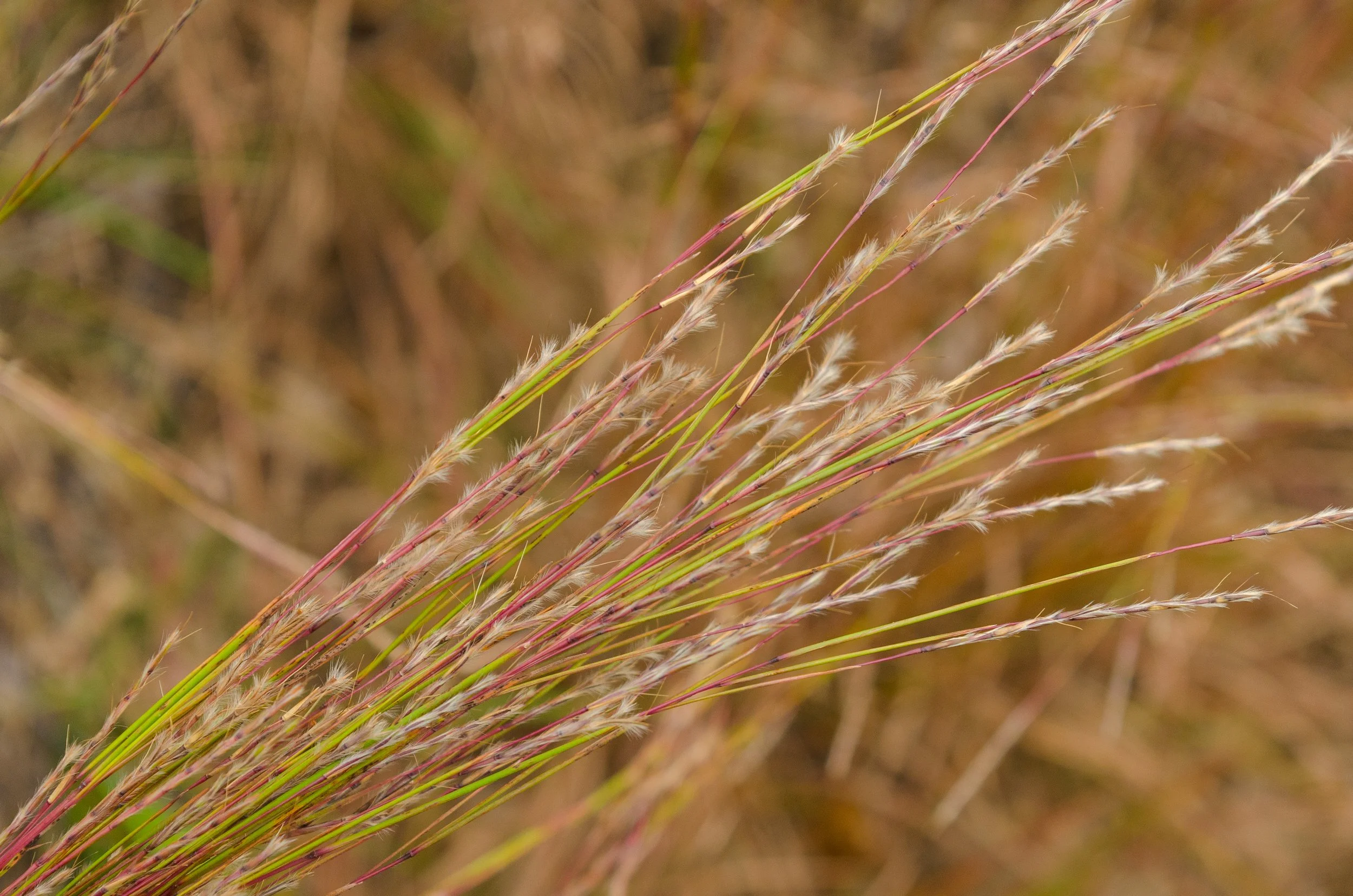
Little Bluestem (Schizachyrium scoparium)
Little bluestem is my first pick for a hot, dry slope. It's a clumping native grass with deep roots; it goes from blue-green in summer to copper in fall, and the birds work the seed heads all winter. Cut it back once in late winter, and that's about the whole maintenance plan.
Photo Credit: Joshua Mayer from Madison, WI, USA, CC BY-SA 2.0, via Wikimedia Commons
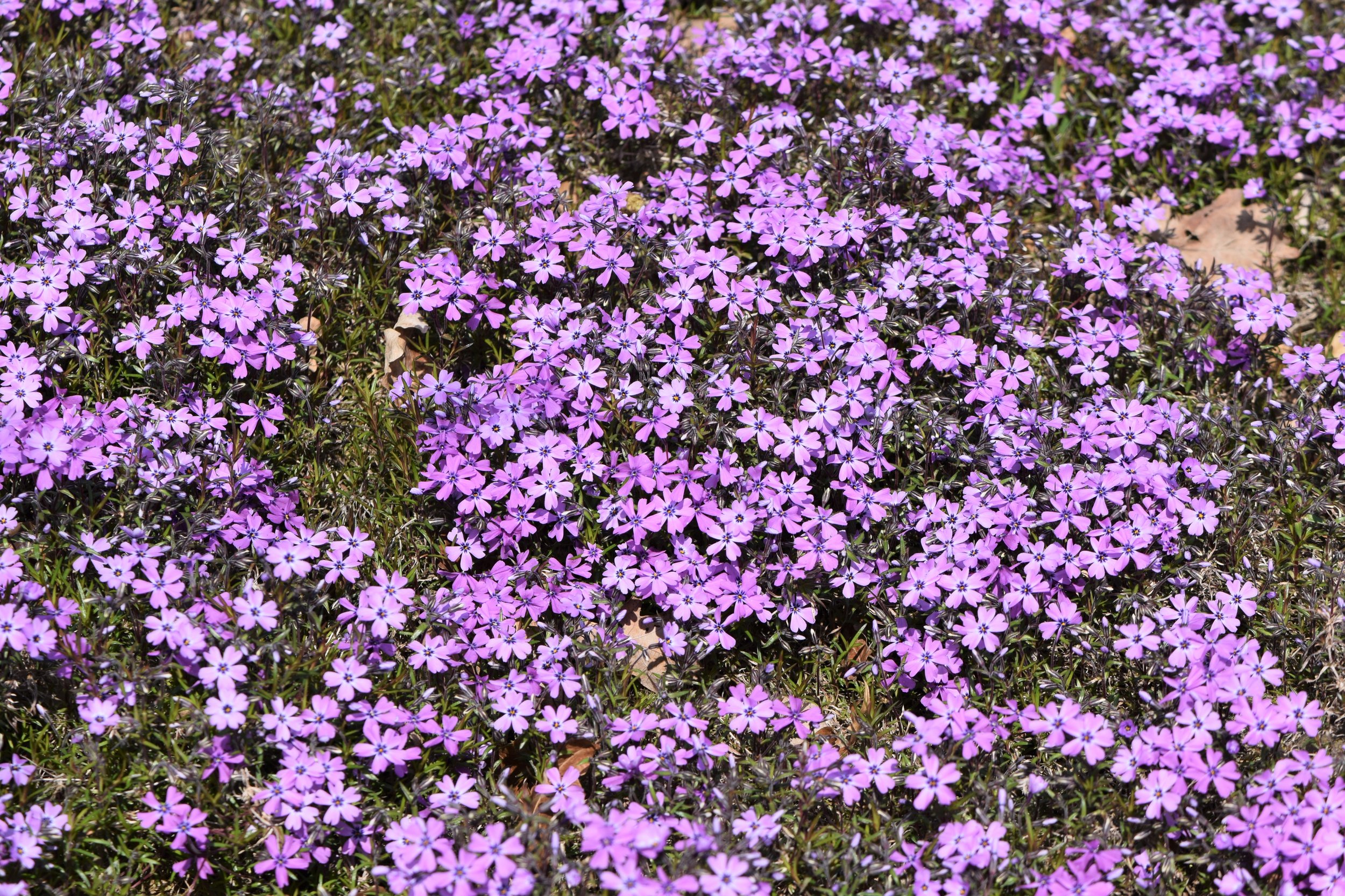
Creeping Phlox (Phlox subulata)
Sometimes known as “Purple Beauty,” this ground cover plant hugs the ground and spreads into a tight mat that blooms heavily in spring. It wants sun and good drainage, and a slope gives it the drainage for free. Rain hits leaves instead of bare dirt, which slows runoff.
Photo Credit: Krzysztof Ziarnek, Kenraiz, CC BY-SA 4.0, via Wikimedia Commons
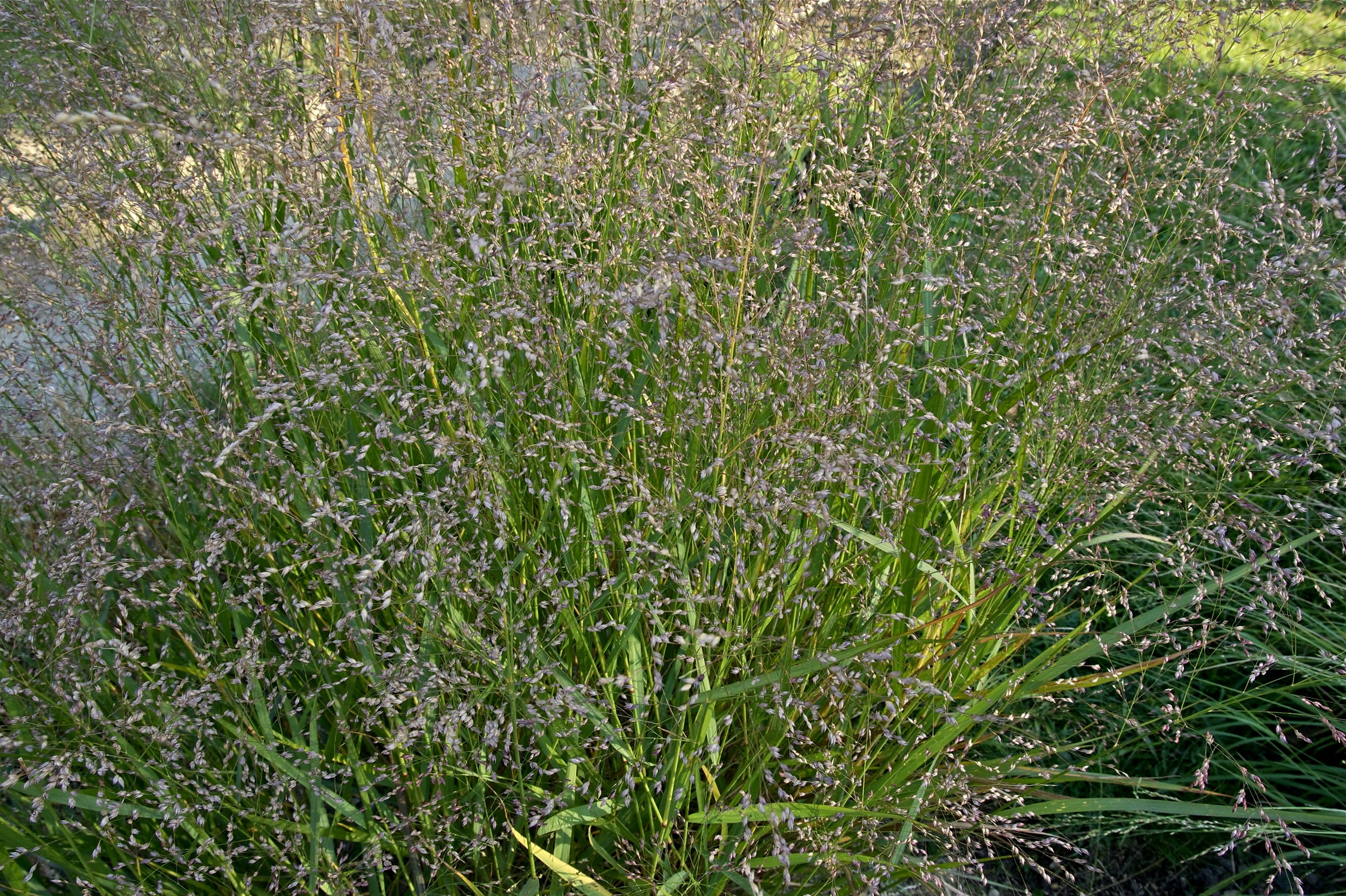
“Switchgrass” (Panicum virgatum)
If you want more height or color, switchgrass does well low on a slope where water collects, purple lovegrass puts a pink haze over the hill in late summer, and partridge pea is a native annual that reseeds itself and feeds poor soil.
Photo Credit: Jebulon, via Wikimedia Commons
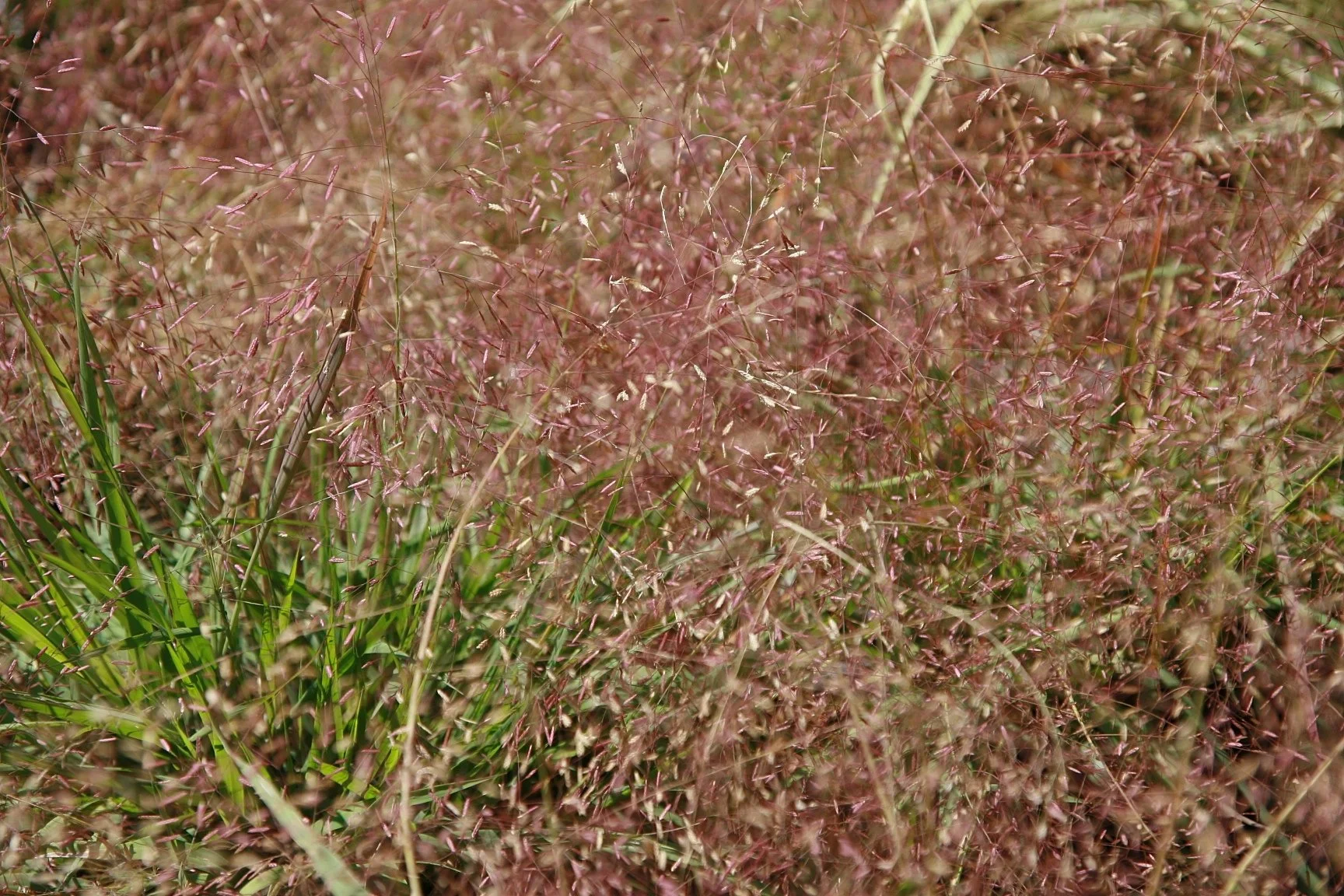
Purple Lovegrass (Eragrostis spectabilis) | Credit: Photo by David J. Stang, CC BY-SA 4.0, via Wikimedia Commons
Best Plants For shady slopes
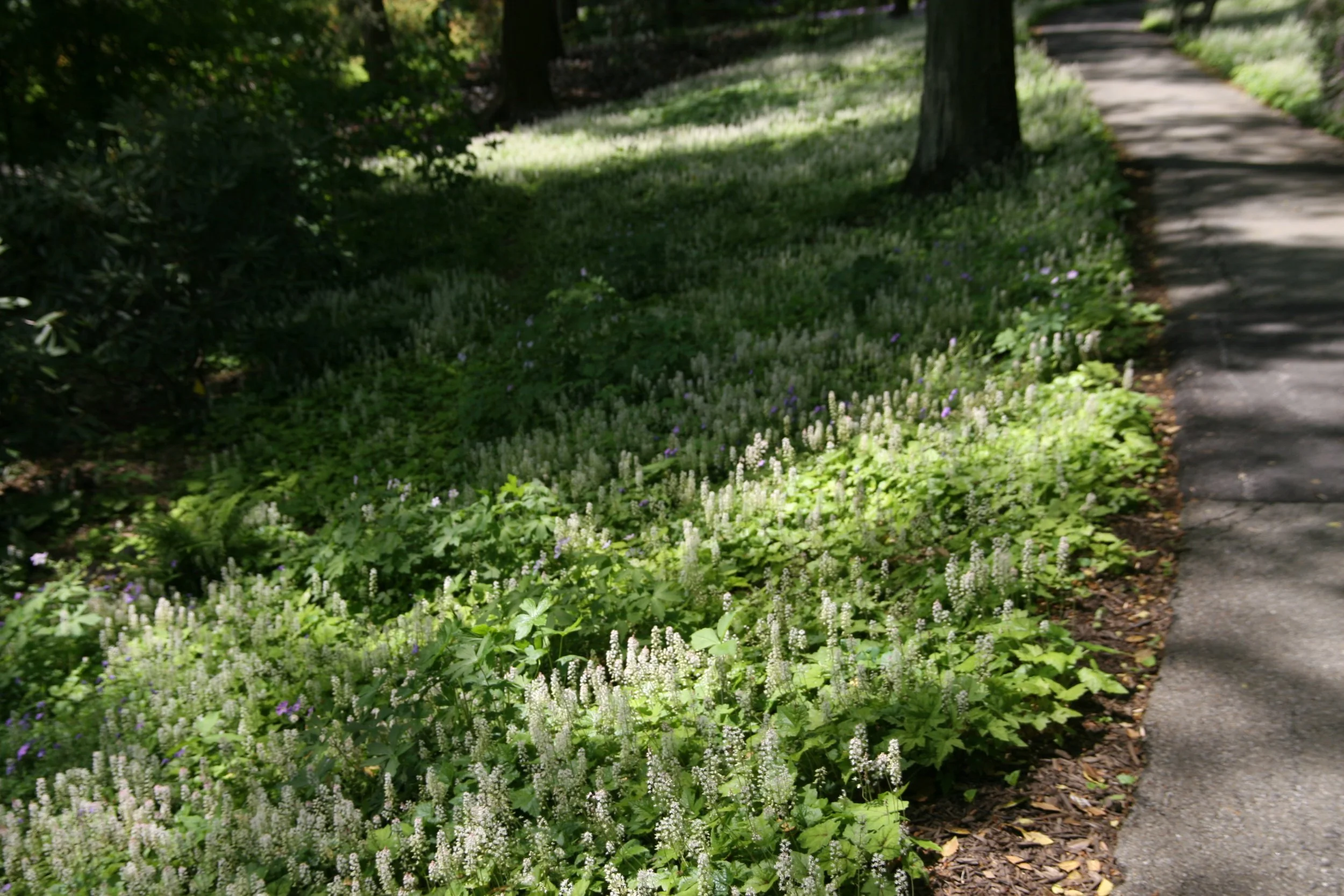
Foamflower (Tiarella cordifolia)
Foamflower spreads with low cover anywhere the soil holds a little moisture, rooting as it creeps until the plants knit into one mat.
Photo Credit: David J. Stang, CC BY-SA 4.0, via Wikimedia Commons
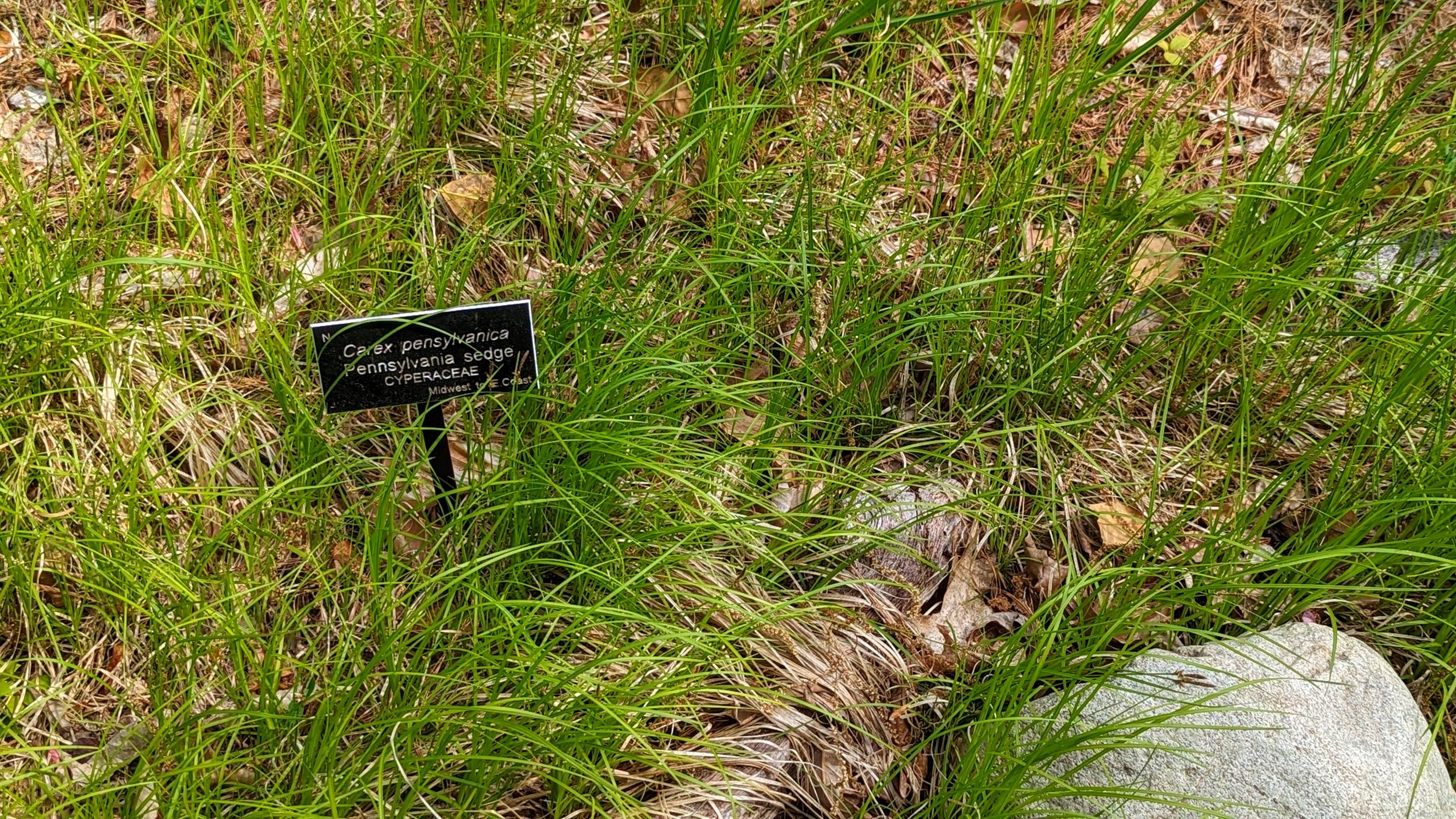
Pennsylvania Sedge (Carex pensylvanica)
Pennsylvania sedge makes a soft, low cover that handles dry shade.
Photo Credit: Chhe, Public domain, via Wikimedia Commons
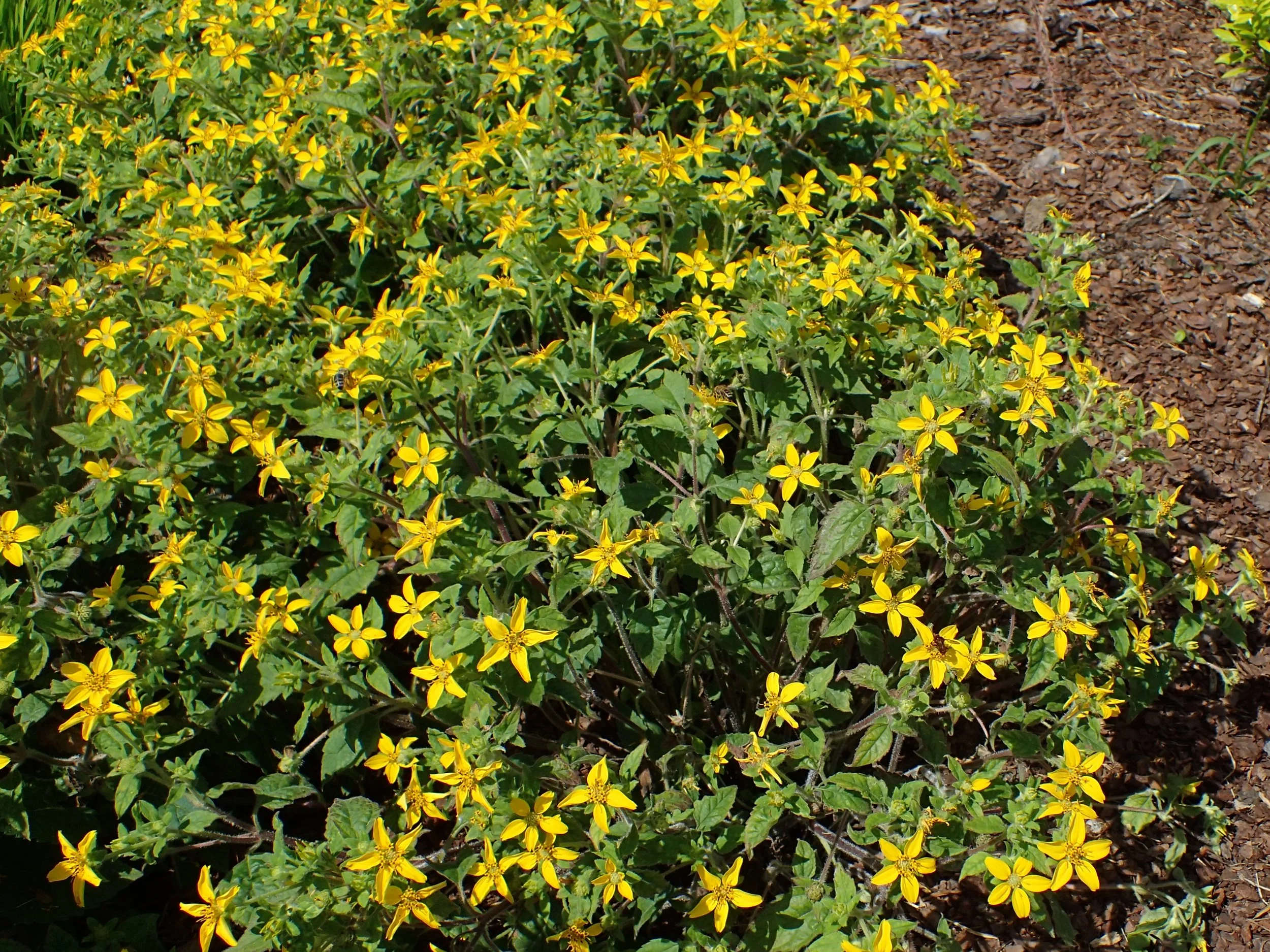
“Green and Gold” (Chrysogonum virginianum)
Green and gold stays low, blooms yellow in spring, keeps its leaves through winter, and spreads steadily without taking over.
Photo Credit: Krzysztof Ziarnek, Kenraiz, CC BY-SA 4.0, via Wikimedia Commons
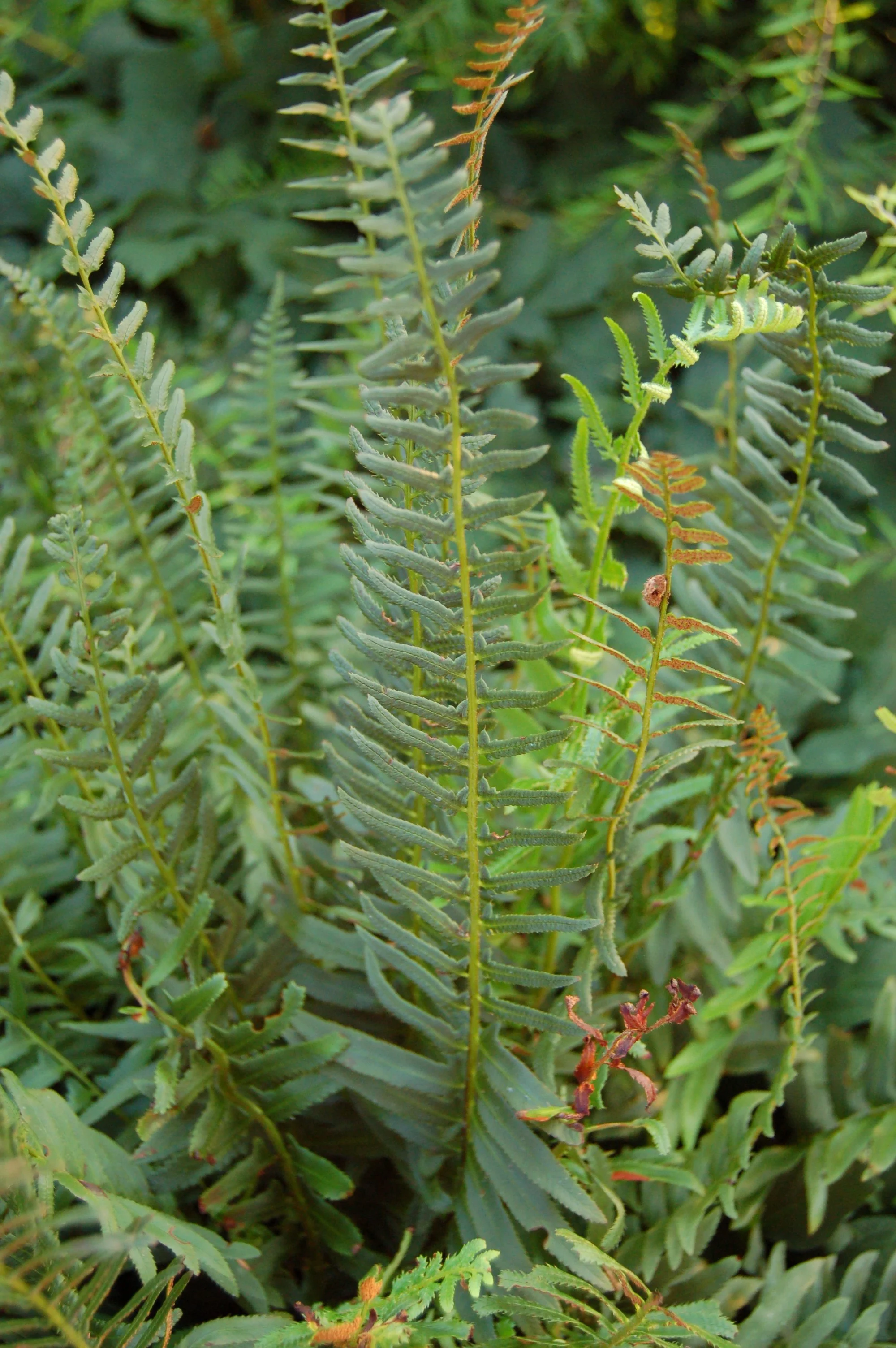
Christmas Fern (Polystichum acrostichoides)
Christmas fern stays green all winter and does a good job holding leaf litter and soil in place on a wooded bank.
Photo Credit: Derek Ramsey, CC BY-SA 2.5, via Wikimedia Commons
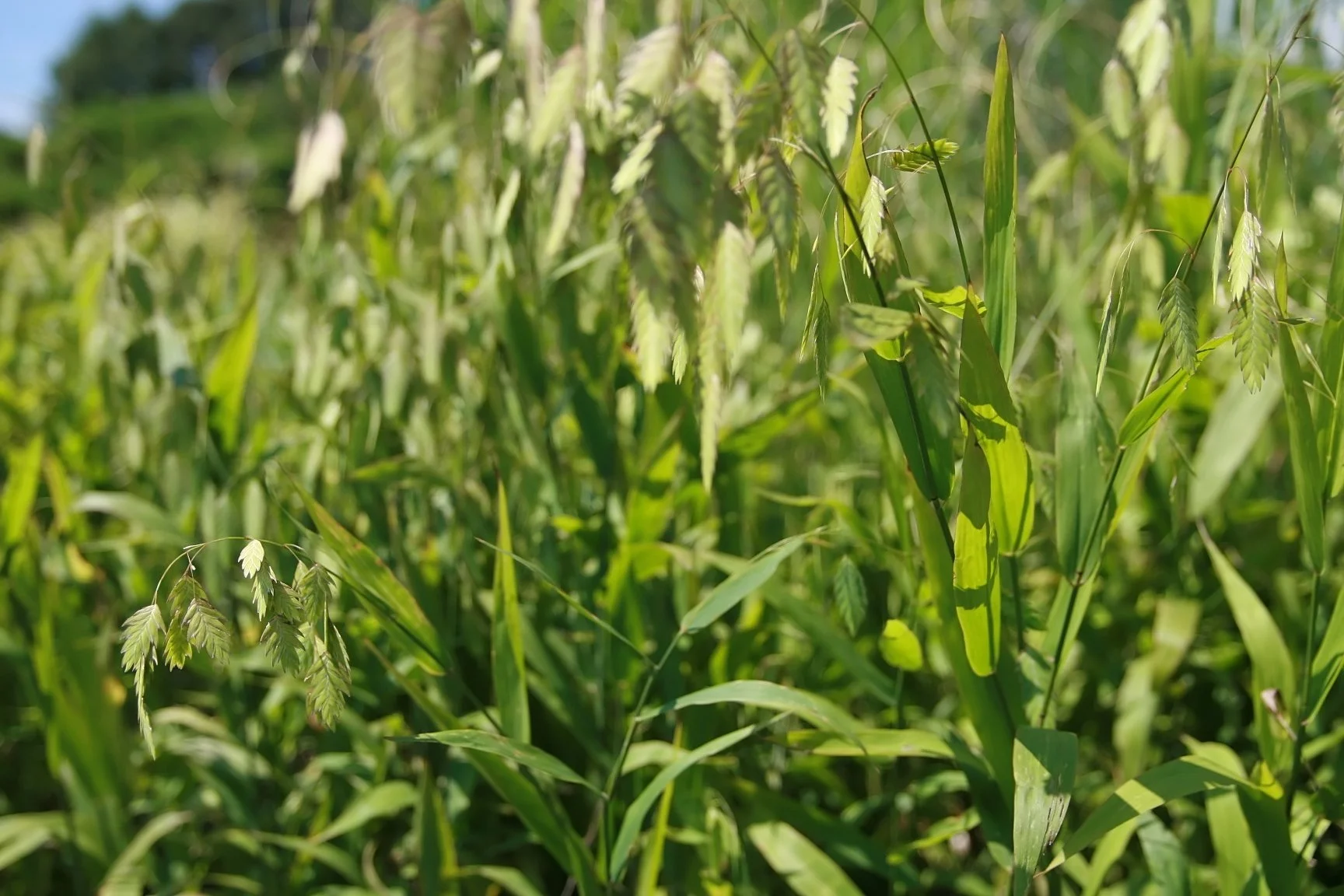
River Oats (Chasmanthium latifolium)
River oats is one of the few native grasses that actually likes shade. It reseeds around itself every year, which is exactly what you want on a bare wooded slope and exactly what you don't want next to a flower bed, so put it where it can roam. Deer mostly leave it alone.
Photo Credit: David J. Stang, CC BY-SA 4.0, via Wikimedia Commons
best Shrubs for steep hillsides
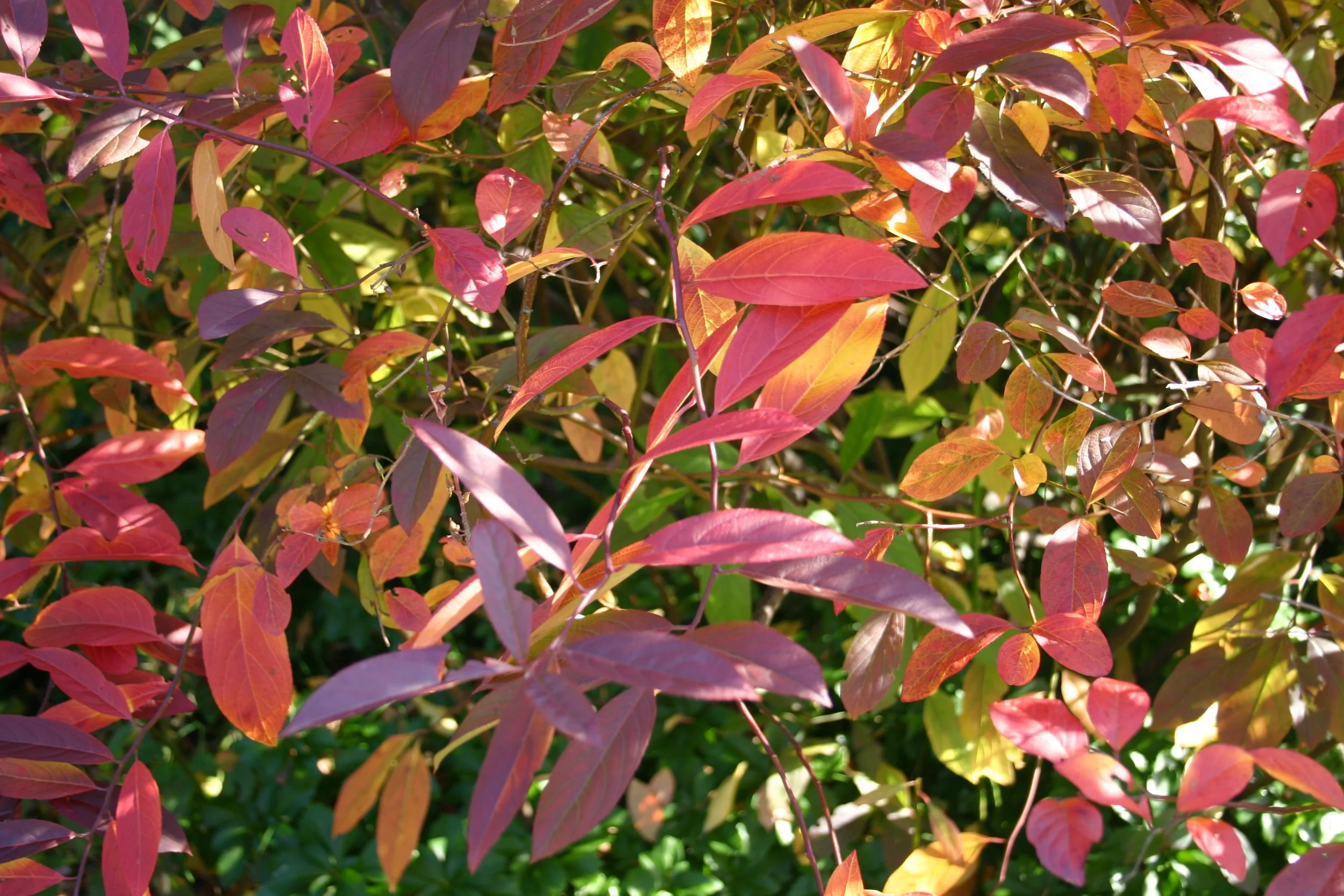
Virginia Sweetspire (Itea virginica) “Fall Color”
On ground too steep to walk comfortably, I like shrubs that spread underground and form thickets. Virginia sweetspire sends out runners, handles wet or dry soil, and turns deep red in the fall. It's one of the better choices I know of for the wet spot at the bottom of a hill.
Photo Credit: Johnny, CC BY-SA 3.0, via Wikimedia Commons
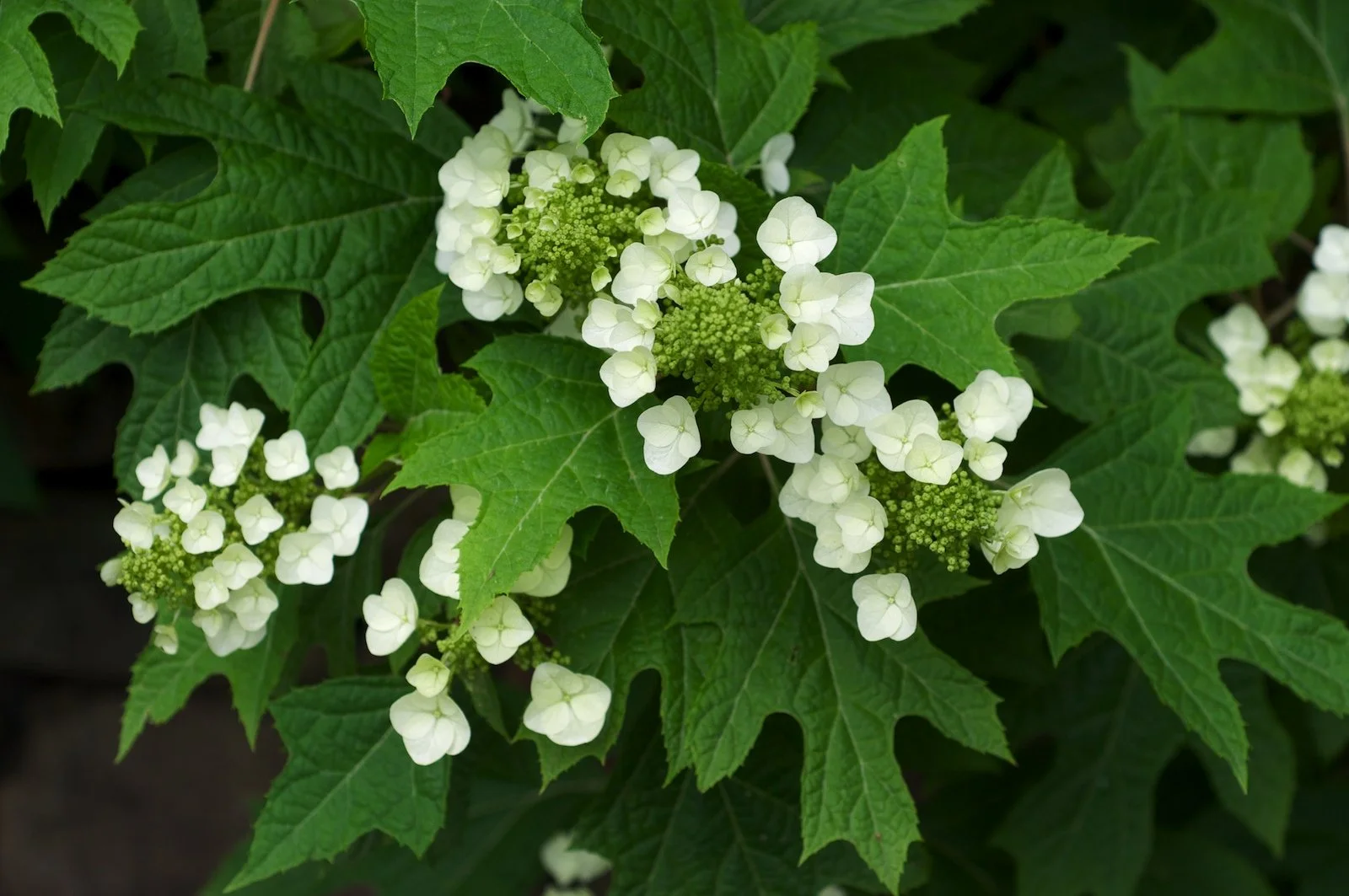
Oakleaf Hydrangea (Hydrangea quercifolia)
Oakleaf hydrangea is a Southeast native that holds a shady bank with sturdy roots, big white summer flowers, and peeling bark that looks good all winter. It needs some water its first year. After that, it mostly takes care of itself.
Photo Credit: Eric in SF, CC BY-SA 3.0, via Wikimedia Commons
If you want a vine, coral honeysuckle will scramble up a slope and feed hummingbirds without becoming the mess that non-native honeysuckle does.
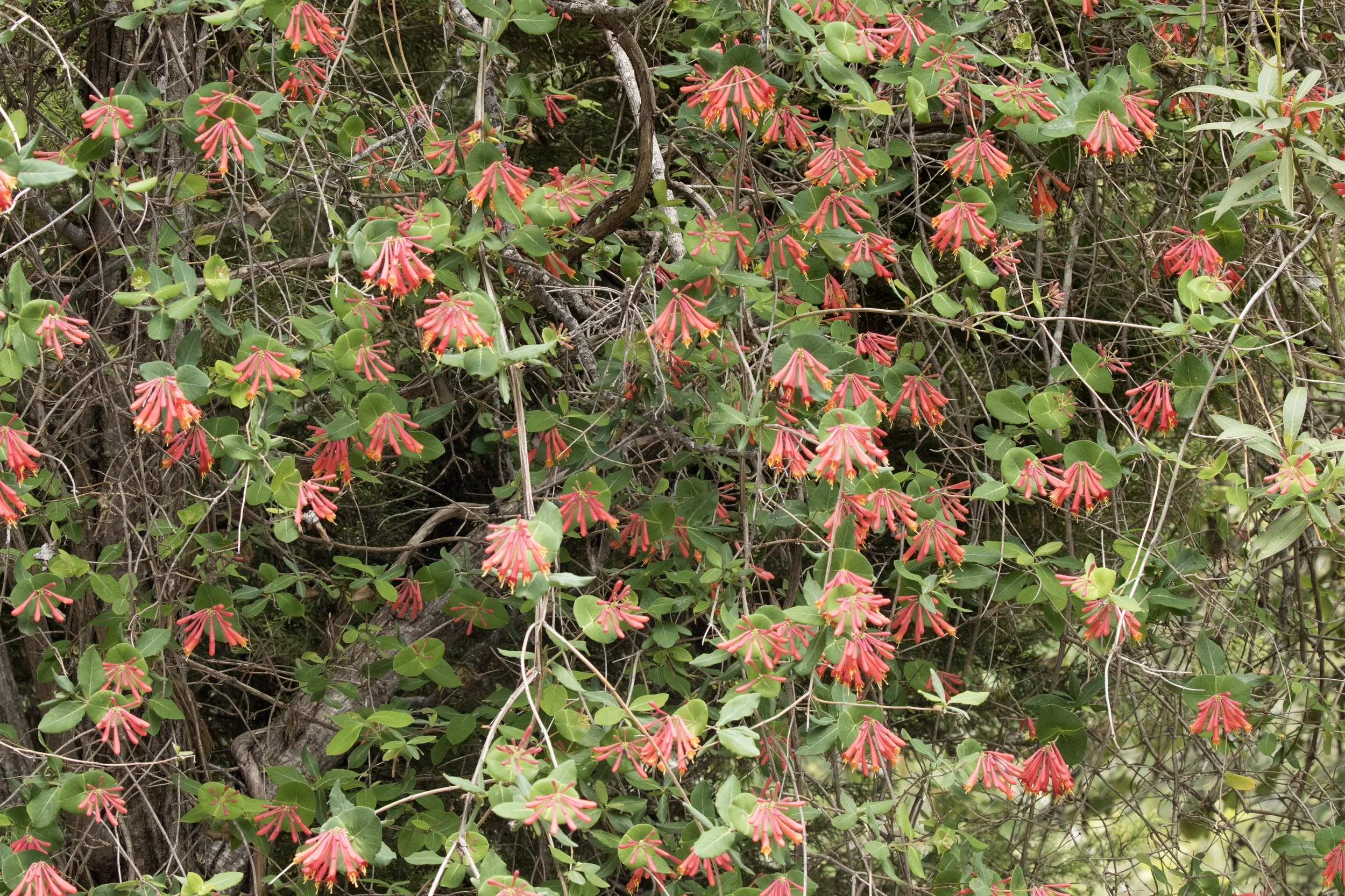
Coral Honeysuckle (Lonicera sempervirens) | Photo Credit: Zeynel Cebeci, CC BY-SA 4.0, via Wikimedia Commons
Give it three years
Natives take a while. The old saying is "the first year they sleep, the second year they creep, the third year they leap." That first year is when your slope is most exposed, which is why the drainage and temporary erosion control matter so much. They carry the load until the roots can.
Where ASG Dirtworx Can Help
If your hillside is washing out, or you're about to clear or regrade a slope and want to do it right the first time, call me. We handle land clearing, grading, drainage, dry creek beds, and erosion control to get a slope ready to hold. I'll walk it with you and tell you straight what I think it needs.
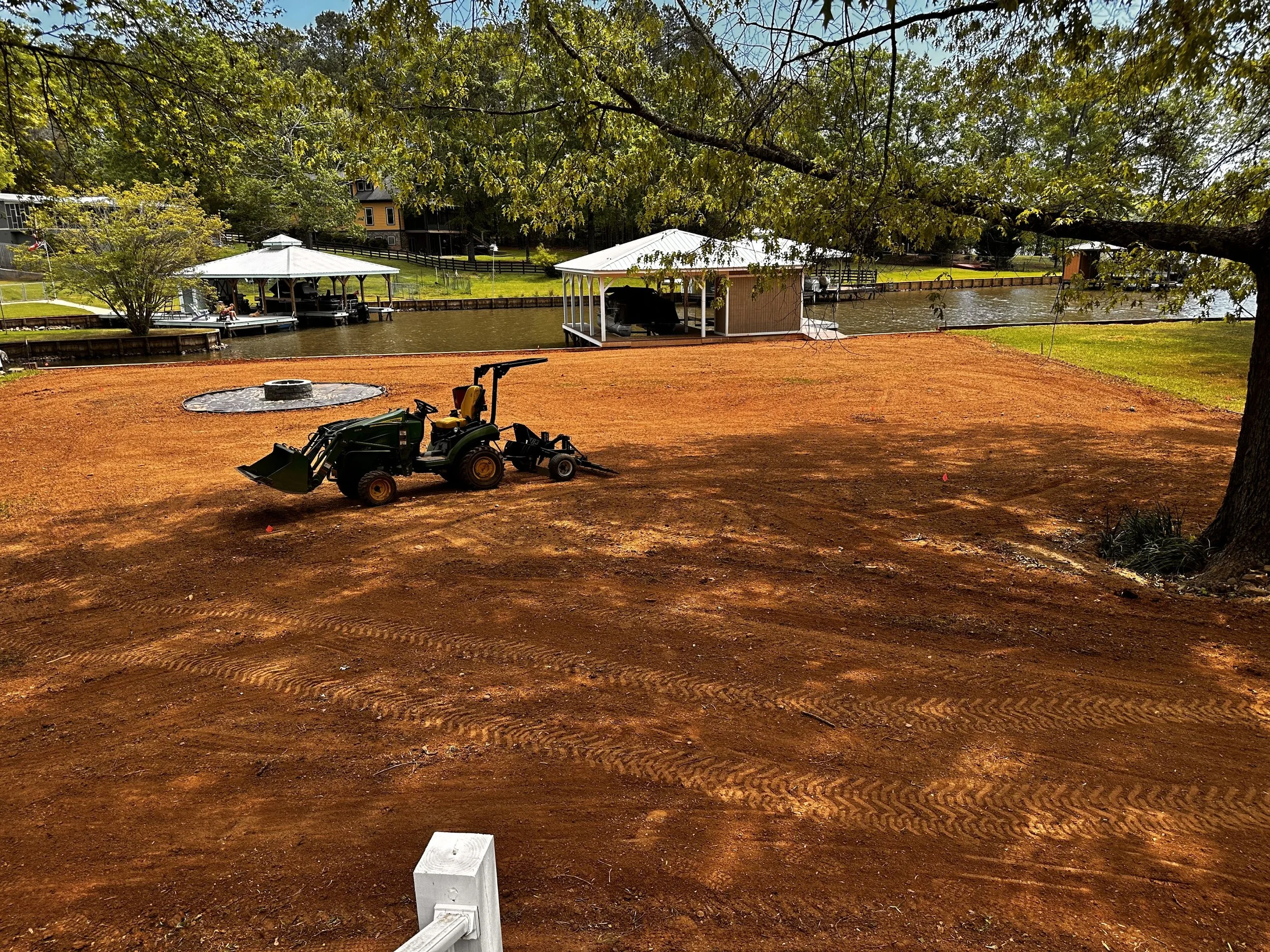
ASG Dirtworx | Hillside Preparation for Seeding